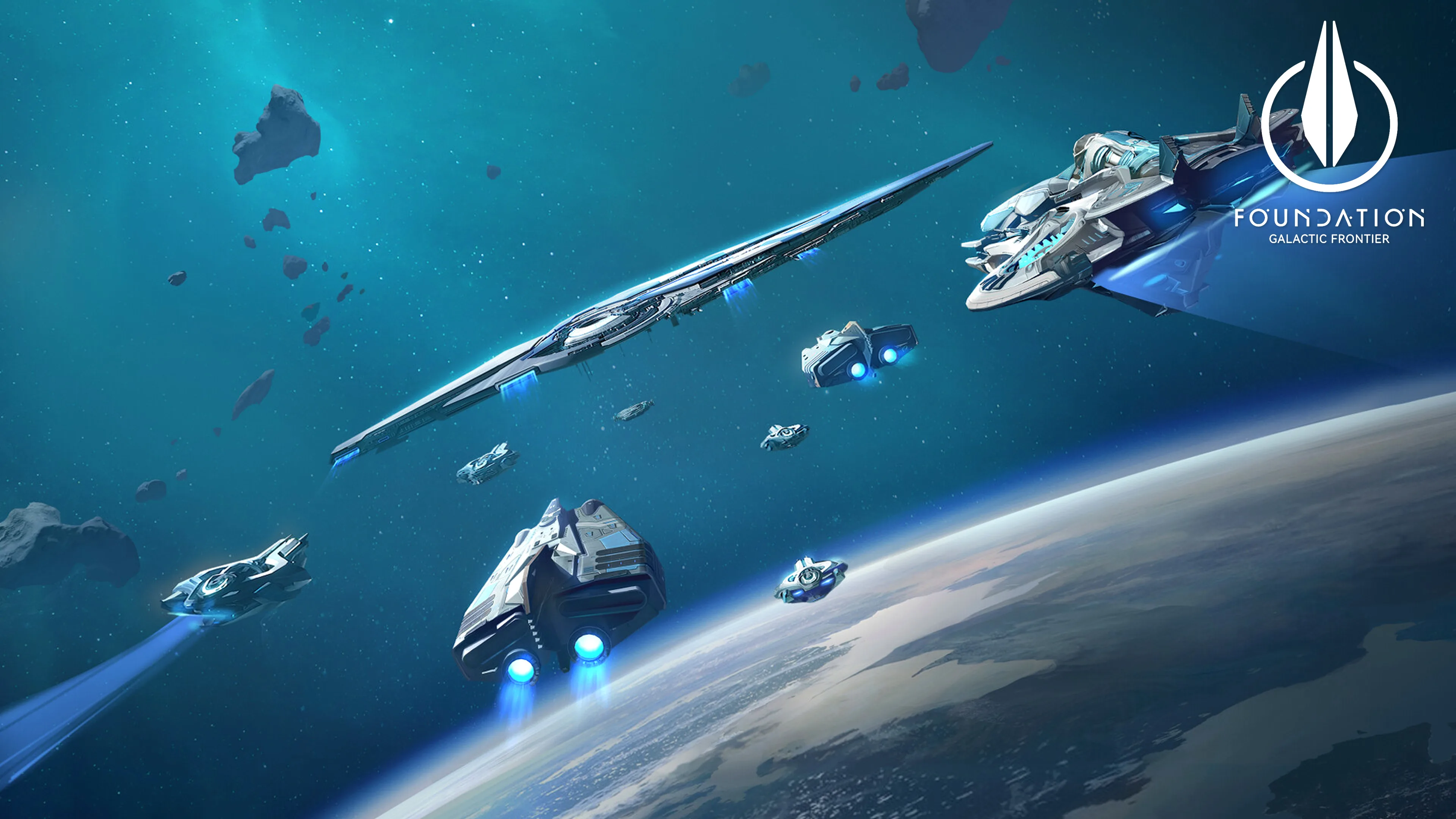
This breakdown looks at how Foundation: Galactic Frontier actually plays once you get past the opening cinematics, and where the systems genuinely hold up
Most licensed strategy games coast on the name alone. This one asks you to actually manage a fleet, a crew, and a moral position.
See how the systems connect before you commit
See how the game worksThe trader loop, not the conqueror loop
The first thing that stands out is the framing. You are not commanding an empire from a throne room, you are a trader trying to keep cargo moving while factions circle each other. That single decision shapes almost everything else, from how missions are written to how combat feels.
A few hours in, I stopped thinking of my ship as a base and started thinking of it as a character, every cabin upgrade felt like it was building toward the crew I actually wanted to run
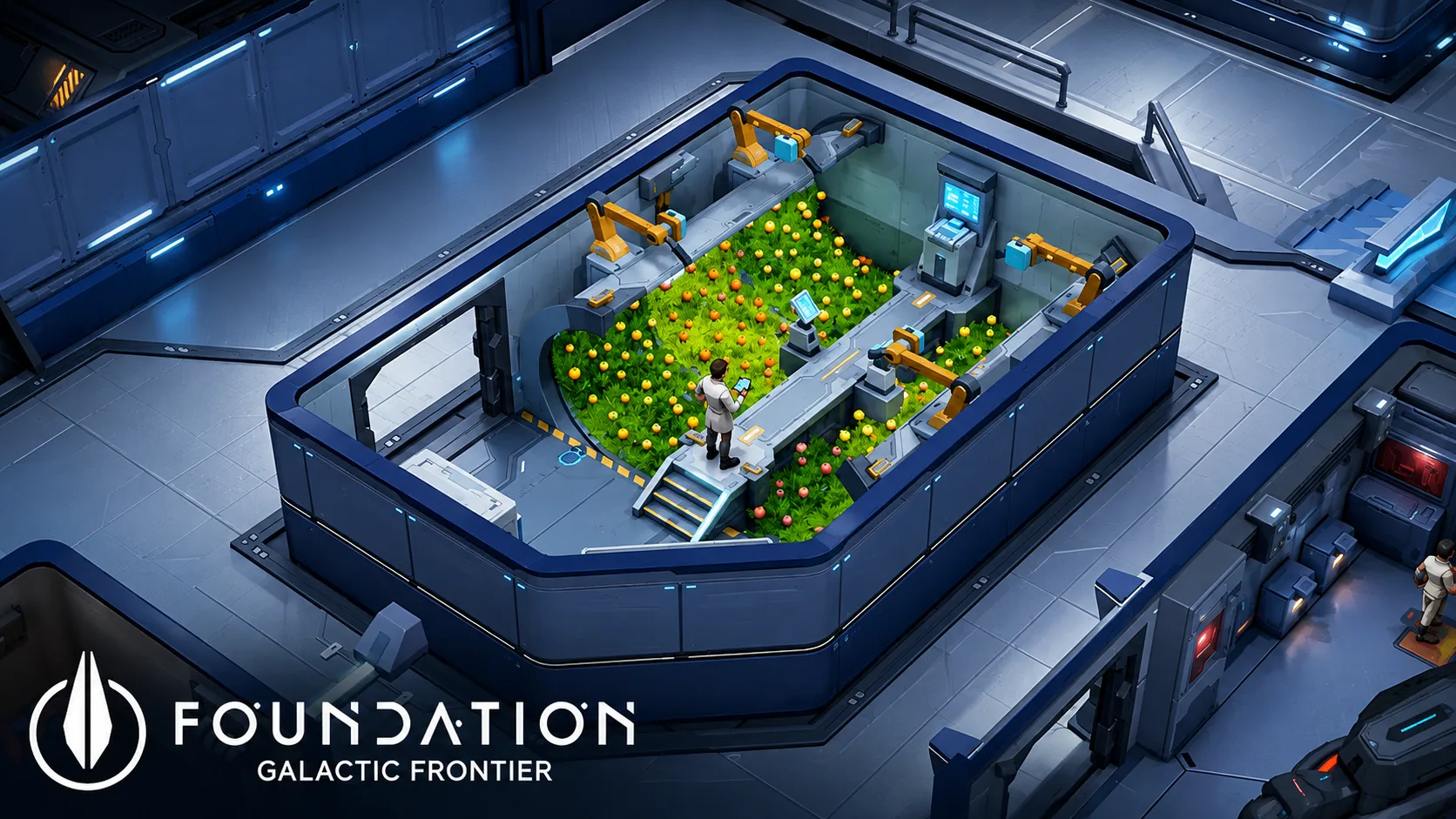
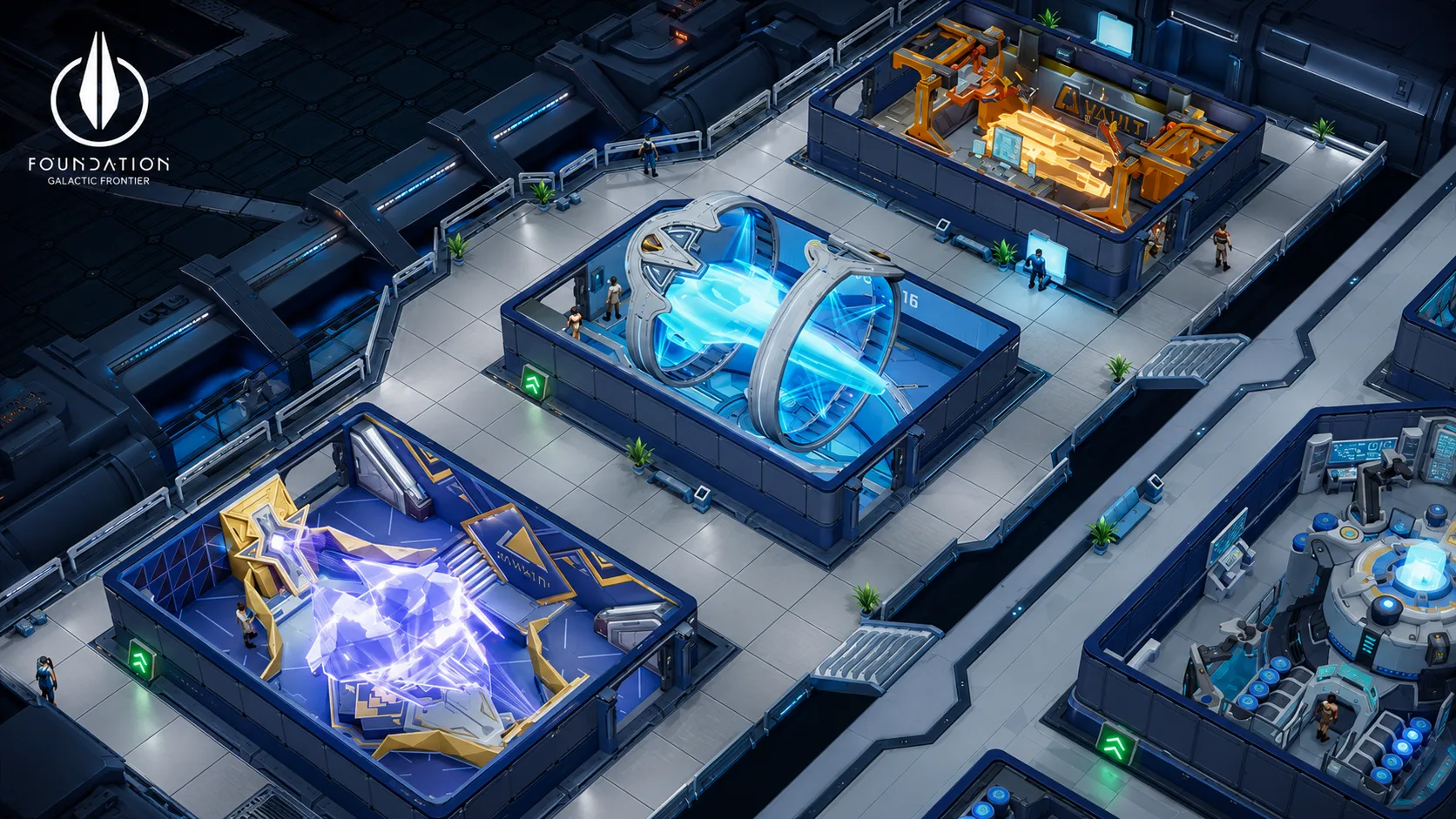
Cabin management sits at the center of the early game. Food, oxygen, and combat systems all pull from the same limited space, so early choices about layout genuinely affect later options rather than being purely cosmetic.
Fleet strategy versus ground combat
The game splits combat into two distinct modes, and the breakdown between them is worth understanding before diving in.
| Mode | Focus | Pace |
|---|---|---|
| Fleet battles | Ship positioning and upgrades | Slower, strategic |
| Landing missions | Squad-based ground combat | Faster, tactical |
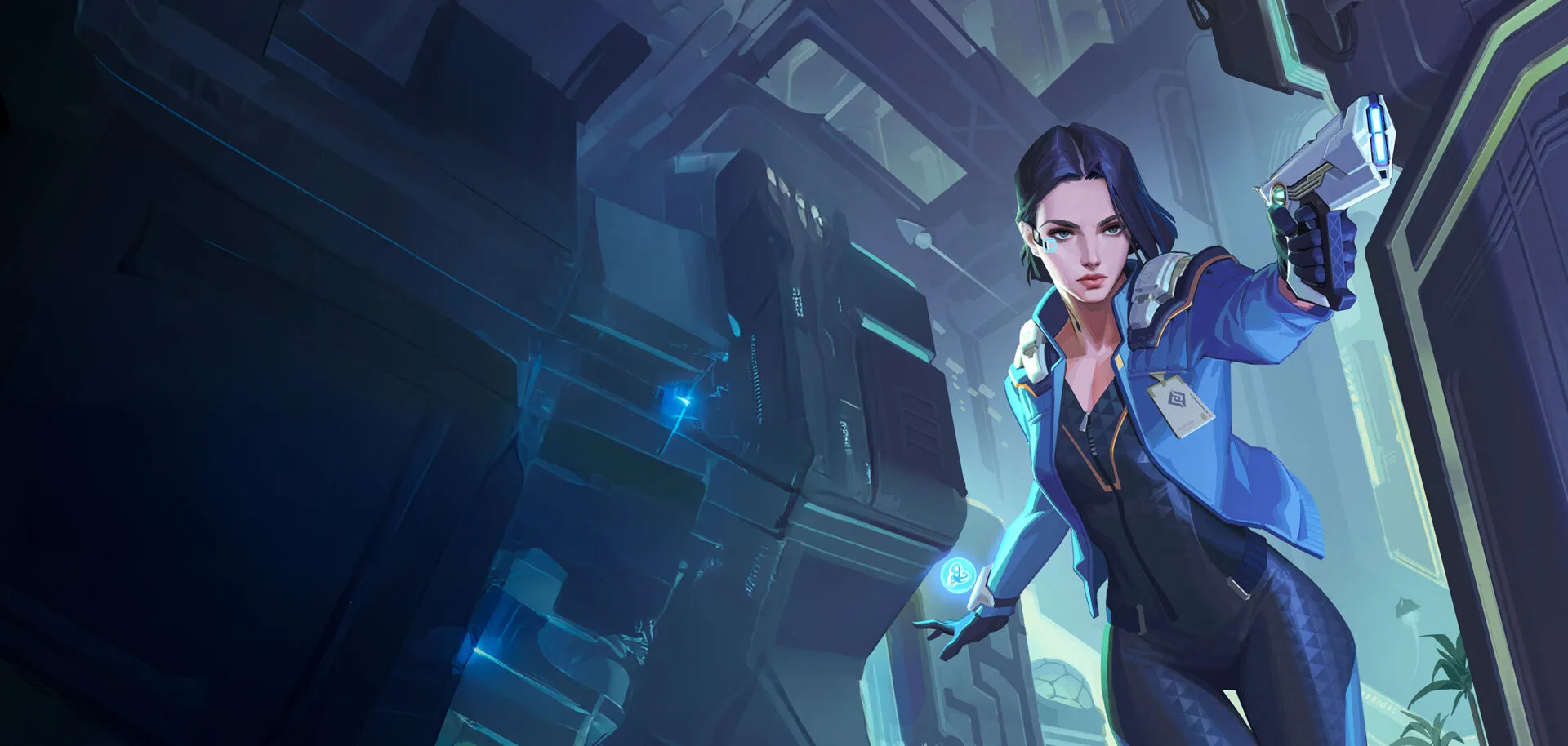
Fleet battles play out on the strategic map, where ship formation and upgrades matter more than reflexes. Landing missions flip that entirely, dropping a three-hero squad into a more grounded, third-person combat scenario against enemies and environmental hazards.
Switching between the two also changes what the player is actually optimizing for. Fleet battles reward planning several moves ahead, arranging ships so that stronger vessels absorb the early exchanges while support ships hang back. Landing missions instead ask for faster reads on positioning and cooldown timing, closer to a squad shooter than a strategy title, and the shift between those two mindsets is one of the more distinctive things about the game.
Compare the two combat modes for yourself
Explore the official siteFootage makes the difference between the two modes clearer than any description.
Where the pacing genuinely works
The narrative decisions are not cosmetic either. Choosing cooperation over self-interest in key story beats changes how certain factions treat the player later, which gives repeat sessions a reason to explore different paths.
Source: FunPlus, Foundation: Galactic Frontier global launch announcement, October 2025
Story choices
- Cooperation and self-interest paths genuinely diverge
- Full consequences take several hours to surface
Fleet combat
- Rewards planning ship loadouts ahead of time
- Early battles can feel slow before options open up
Ground combat
- Distinct pacing from fleet battles
- Squad controls take a session to fully learn
The champions carry more weight than expected
Champion recruitment could have been a generic gacha layer bolted onto the story, but the writing treats each character as someone with an actual stake in the setting. Hari Seldon shows up less as a playable unit and more as the reason the entire plot exists, while figures like Klara and Doug Rockwell bring personal histories that intersect with the main story rather than sitting off to the side in flavor text.
That matters for pacing. Missions that would otherwise feel like generic fetch-and-fight tasks get reframed around a character's specific motivation, which gives even routine content a reason to exist beyond padding out playtime.
Where it asks for patience
Not every system clicks immediately. Recruiting and leveling champions, managing multiple currencies, and juggling cabin upgrades all run in parallel, and the game doesnt always explain how they connect until several hours in.
Champion recruitment
Add named characters with unique roles
Cabin upgrades
Expand mothership capacity over time
Fleet formations
Arrange ships for different battle types
Alliance events
Join other traders for larger objectives
- Two genuinely distinct combat modes instead of one reused system
- Story choices carry visible weight later in the campaign
- Cabin and fleet management give the ship real identity
- Onboarding introduces systems faster than it explains them
- Early fleet battles move slower until upgrades open up
The gameplay here earns its licensed setting instead of just borrowing it, with fleet and ground combat that stay distinct enough to keep sessions from feeling repetitive
Who gets the most out of this
This breakdown suits players who want a strategy game with real narrative consequences and are willing to spend a few hours learning several systems that eventually connect
If you have bounced off strategy games that only offer one type of combat, the split between fleet battles and ground missions here is worth experiencing firsthand
Does the story actually change based on choices?
Is combat turn-based or real-time?
How long before the systems start to click?
See the breakdown for yourself
Try it and see
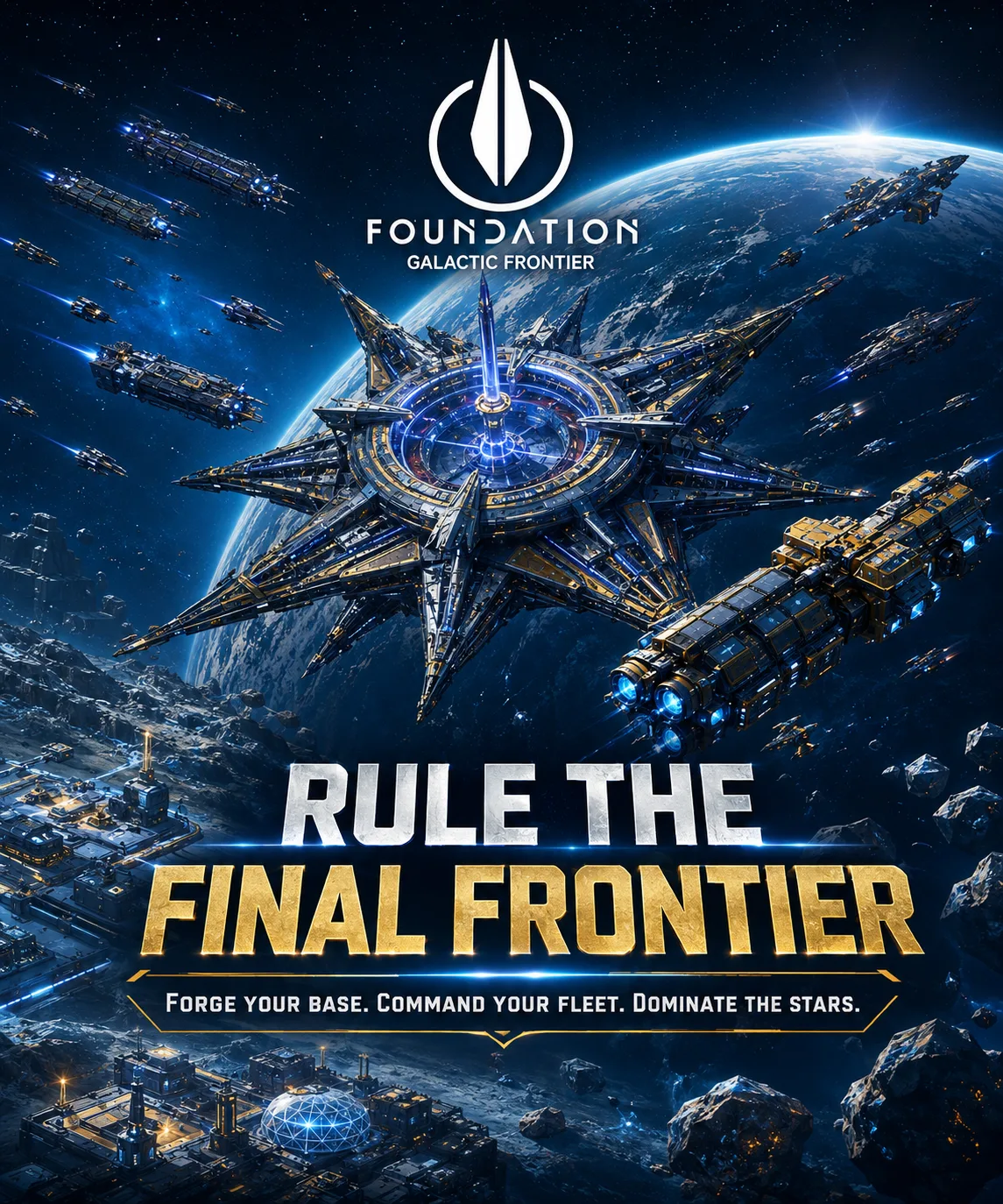

The split between fleet battles and landing missions is what sold me, most strategy games only do one of these