This article looks at what awaits new traders in Foundation: Galactic Frontier once they move past the opening missions and into the game's full range of systems
There is a lot waiting past the tutorial. Here is a fuller picture of what the game actually contains.
See the systems in action
Explore the official siteThree combat classes, one strategic layer
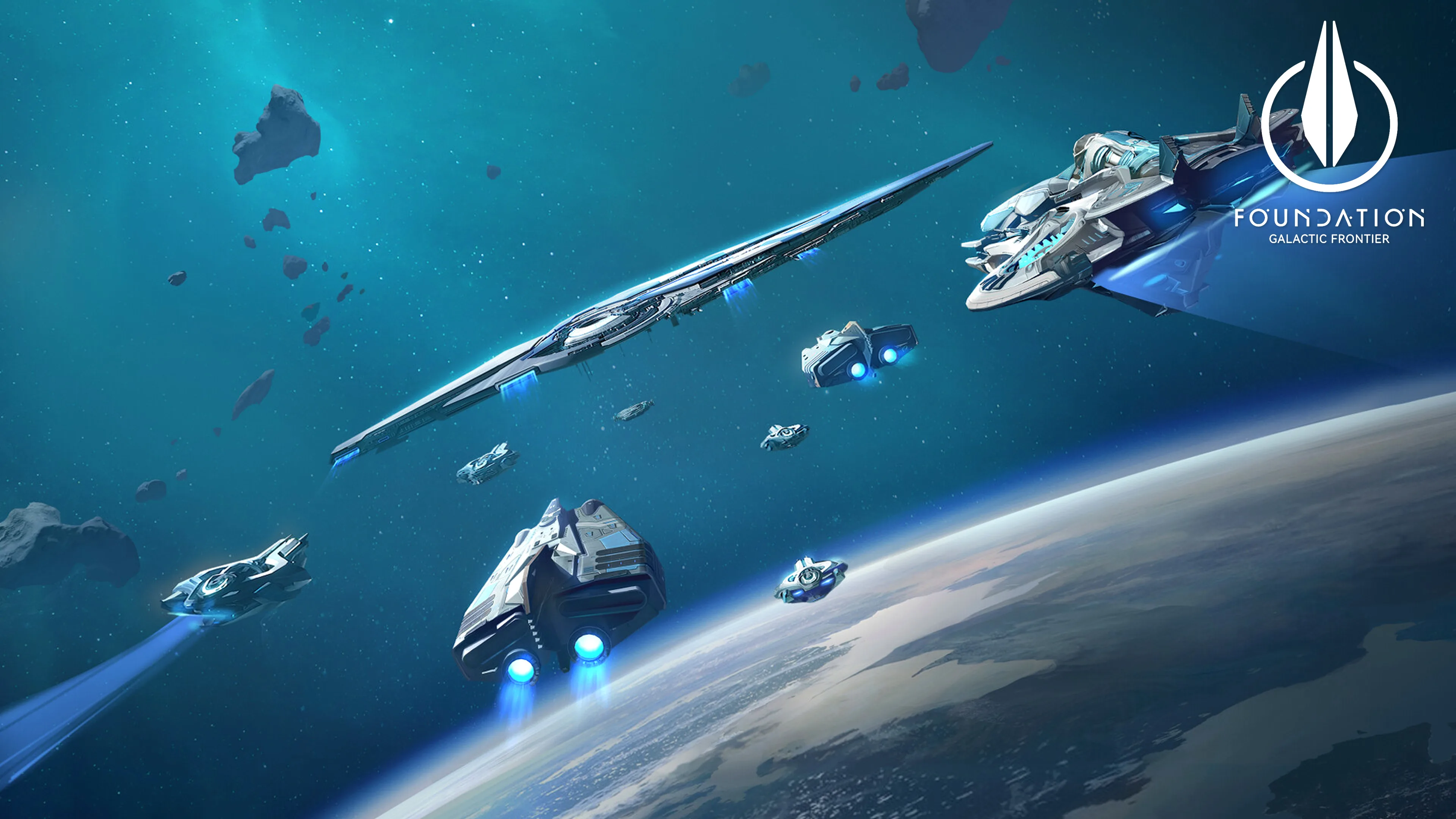
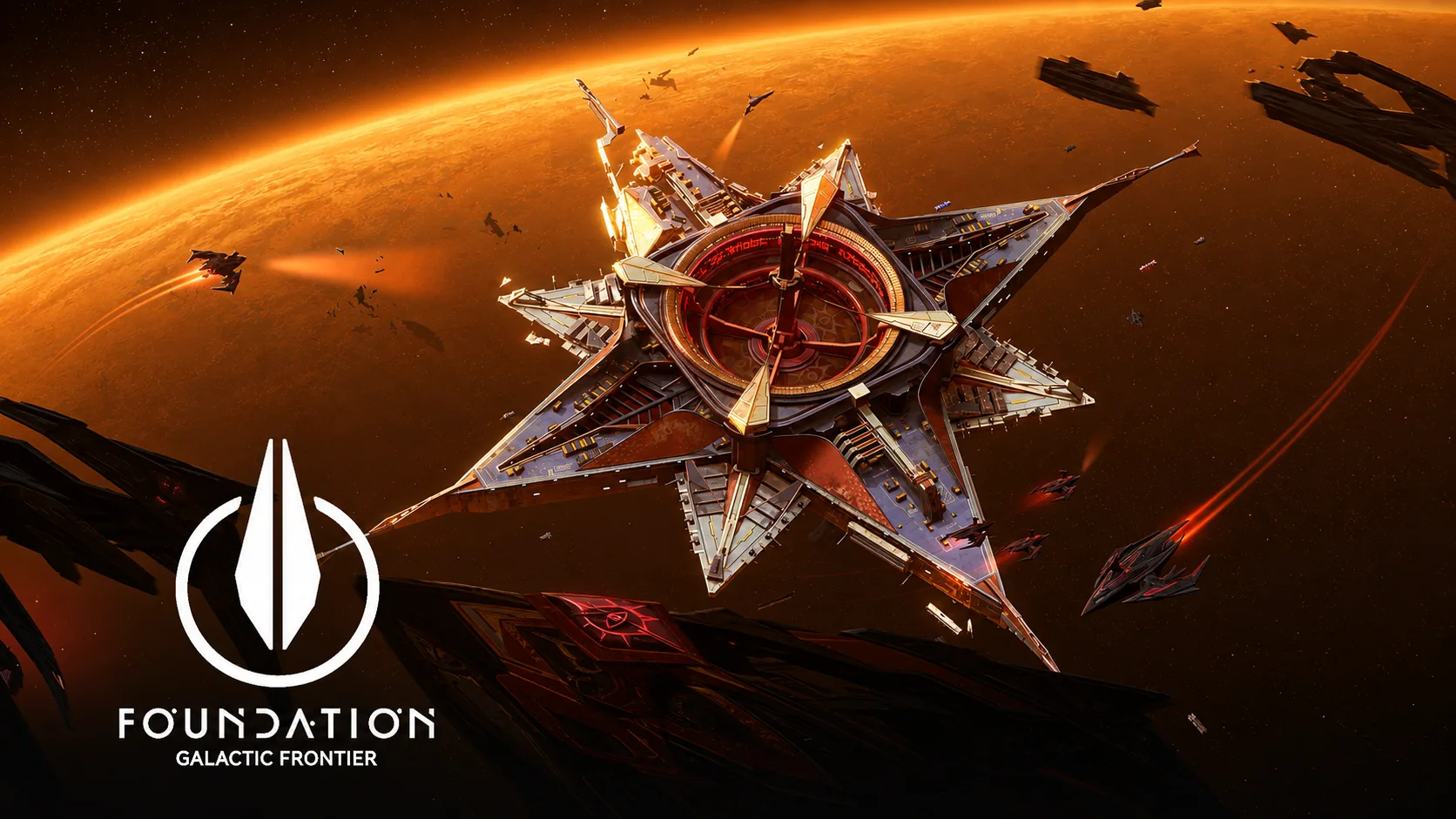
Fleet strategy centers on three craft classes, Kinetic, Ion, and Beam, each suited to different formations and threats. Learning how these classes interact becomes one of the more rewarding parts of the mid game, since matching the right class against the right opponent changes outcomes meaningfully.
Source: Foundation: Galactic Frontier, official Steam page
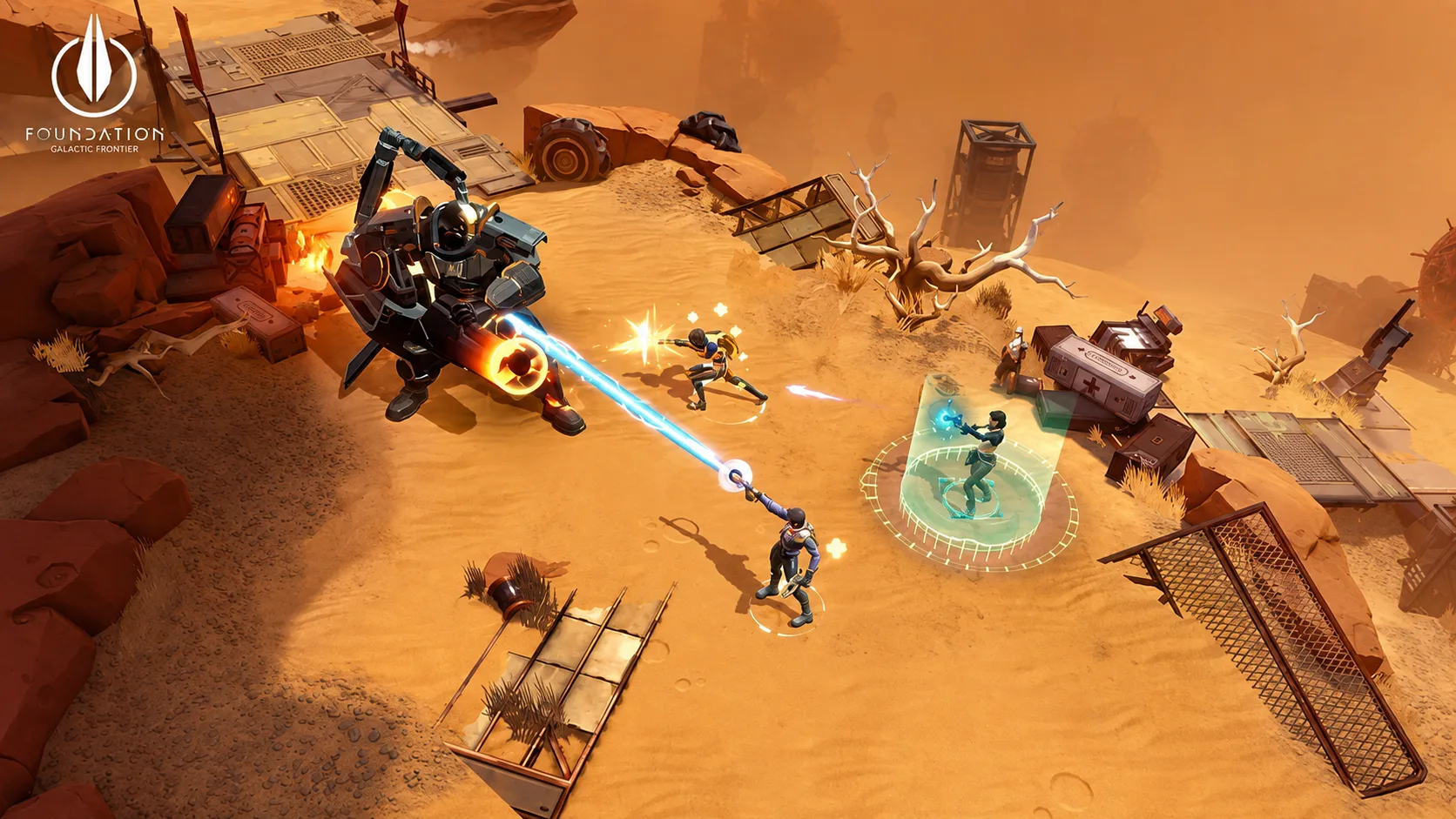
Commanders tie directly into this system, with the right pairing unlocking bonuses that a mismatched assignment leaves unused. New players often skip commander optimization for a long stretch, missing meaningful fleet strength as a result, which is definately worth avoiding once you know better.
| Craft class | Strength | Pairs well with |
|---|---|---|
| Kinetic | High raw damage | Aggressive formations |
| Ion | Disruption and control | Defensive formations |
| Beam | Sustained ranged damage | Balanced formations |
Ground combat awaits past the fleet map
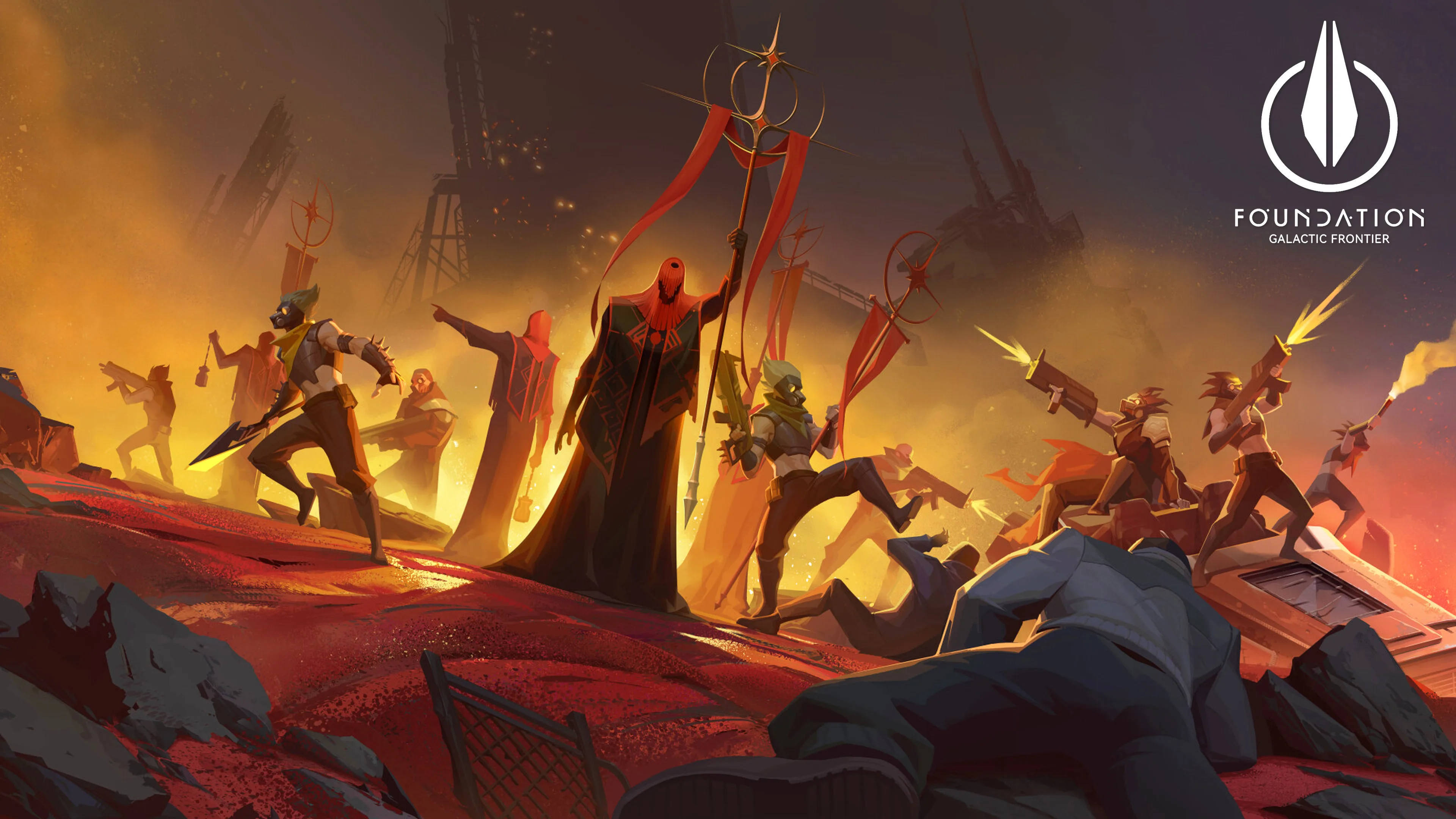
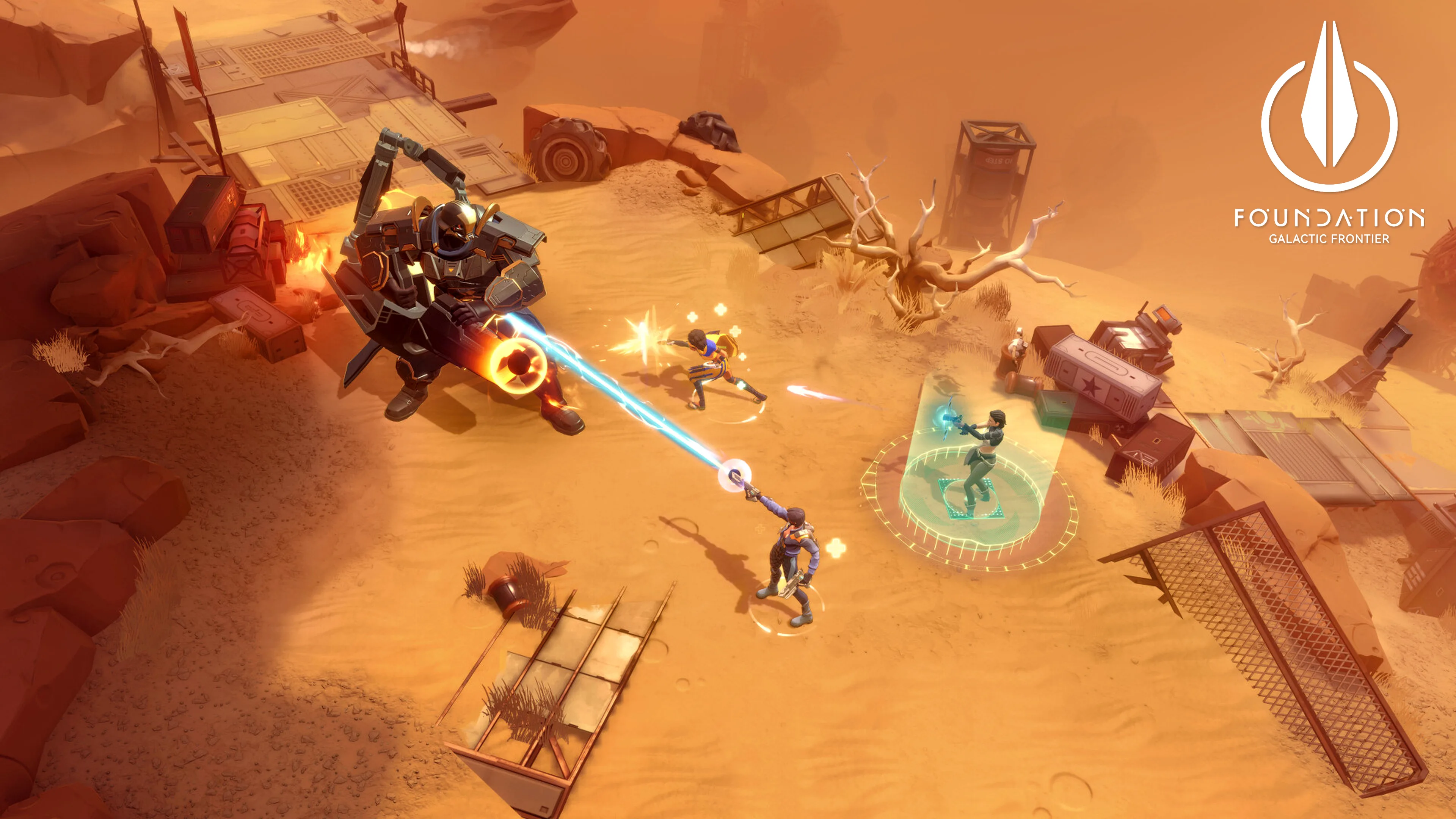
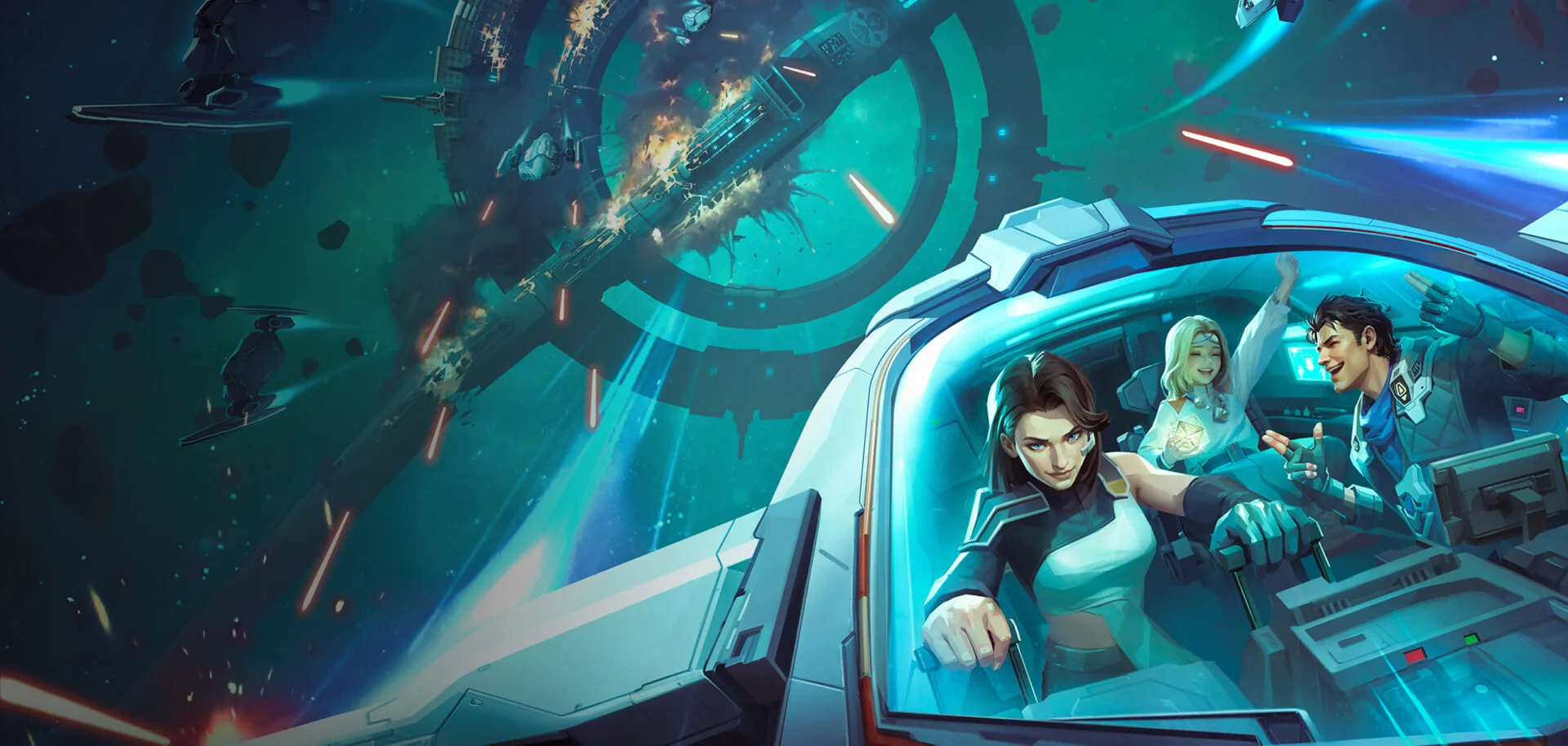
Landing missions send a three-hero squad down to planets and derelict ruins for tighter, third-person combat. With more than a dozen recruitable heroes available, squads can be built around tank, damage, and support roles rather than simply picking the highest power number.
Source: Foundation: Galactic Frontier, official Steam page
-
Unlock your first landing mission Available early through the main story path
-
Build a balanced squad Aim for one tank, one damage dealer, one support hero
-
Study enemy patterns Landing missions reward positioning over raw stats alone
-
Upgrade squad gear between runs Stronger loadouts open harder missions
-
Repeat missions for better rewards Difficulty scales with better drops attached
See how fleet and ground combat connect
See how the game worksAlliances turn the galaxy into a shared space
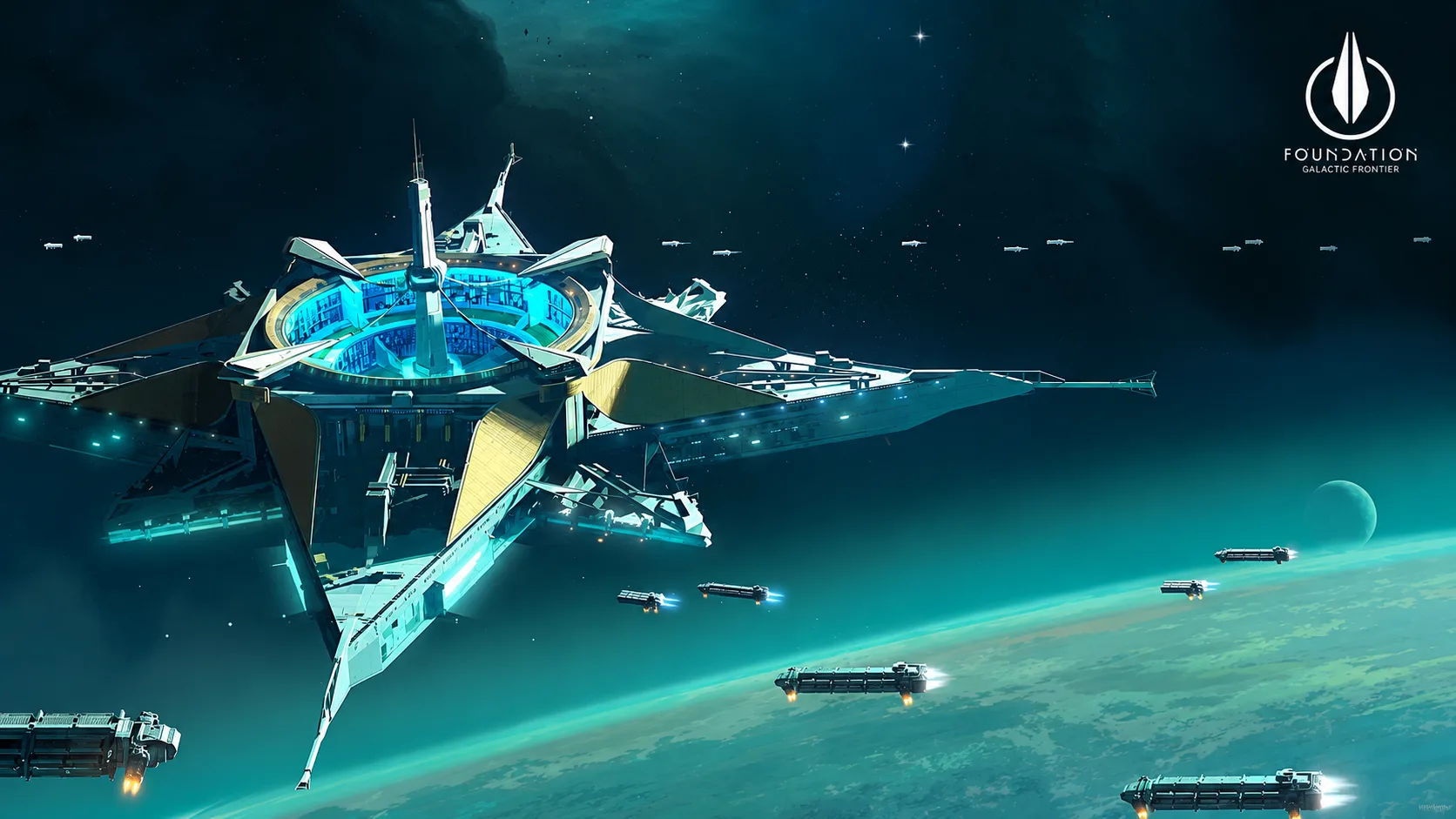
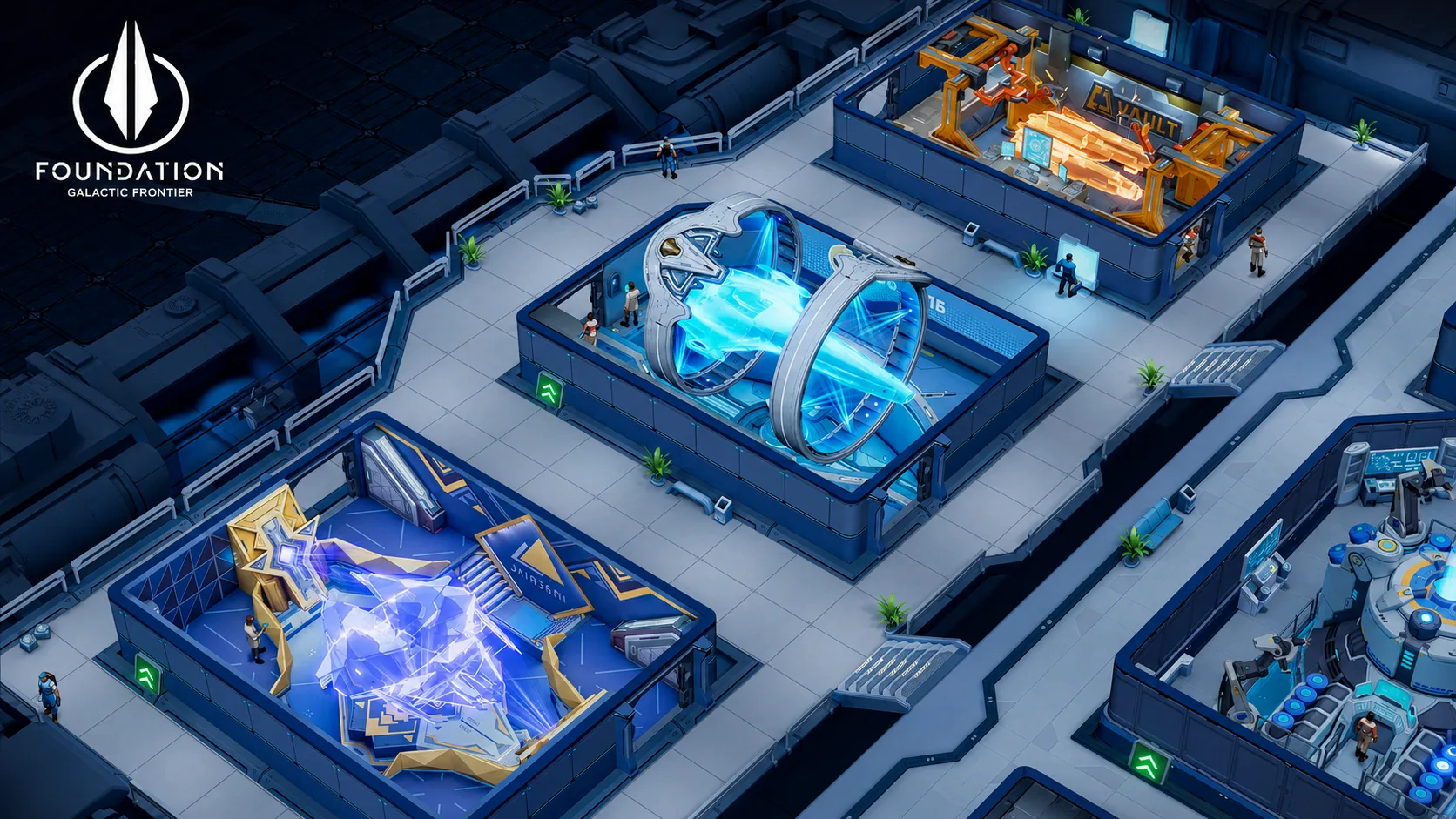
Alliance warfare is where the individual systems start to connect. Trade route protection, large-scale battles, and shared objectives all run through alliance membership, and coordinated groups tend to control the more valuable regions of the map. Joining one takes a bit of adjustment if you have been playing solo, but it genuinely opens up content that stays locked otherwise.
- Join an alliance once your fleet reaches a stable footing
- Coordinate trade route protection with alliance members
- Participate in alliance events for exclusive rewards
- Communicate before committing to large-scale battles
- Review alliance perks regularly as they can change over time
Craft classes
Kinetic, Ion, and Beam formations
Commander bonuses
Unlock a class's full potential
Landing squads
Tank, damage, and support roles
Alliance warfare
Shared objectives and territory control
Trade routes never fully step aside
Even with fleet classes, landing squads, and alliances all competing for attention, trade routes stay relevant throughout. They fund fleet upgrades, squad gear, and cabin expansions, which means neglecting them in the mid game slows down every other system at once. Players who keep at least one active trade route running tend to progress more smoothly than those who focus entirely on combat.
That overlap is intentional. Nothing in the mid game exists in isolation, and the systems are built to reinforce each other rather than compete for a player's limited time.
The systems that reward long-term players
This article suits players curious about what waits beyond the tutorial, especially the fleet class system and alliance warfare that only open up several hours in
If you enjoy strategy games that keep revealing new layers rather than repeating the same loop, the shift from fleet classes into landing squads and alliance warfare here is worth exploring
- Three distinct craft classes add real strategic depth to fleet battles
- Landing missions offer a genuinely different pace from the strategic map
- Alliance warfare gives long-term players a shared, evolving objective
- Commander optimization is easy to overlook without guidance
- The jump from solo play to alliance coordination takes some adjustment
The systems here reward players willing to look past the tutorial, with craft class strategy and alliance warfare offering more depth than the opening hours suggest
How many craft classes are there?
Do commanders actually matter?
Is alliance play required?
How many heroes are available for landing squads?
Explore the full system for yourself
Start your journey here

The craft class system is deeper then I expected going in, really changes how you build fleets