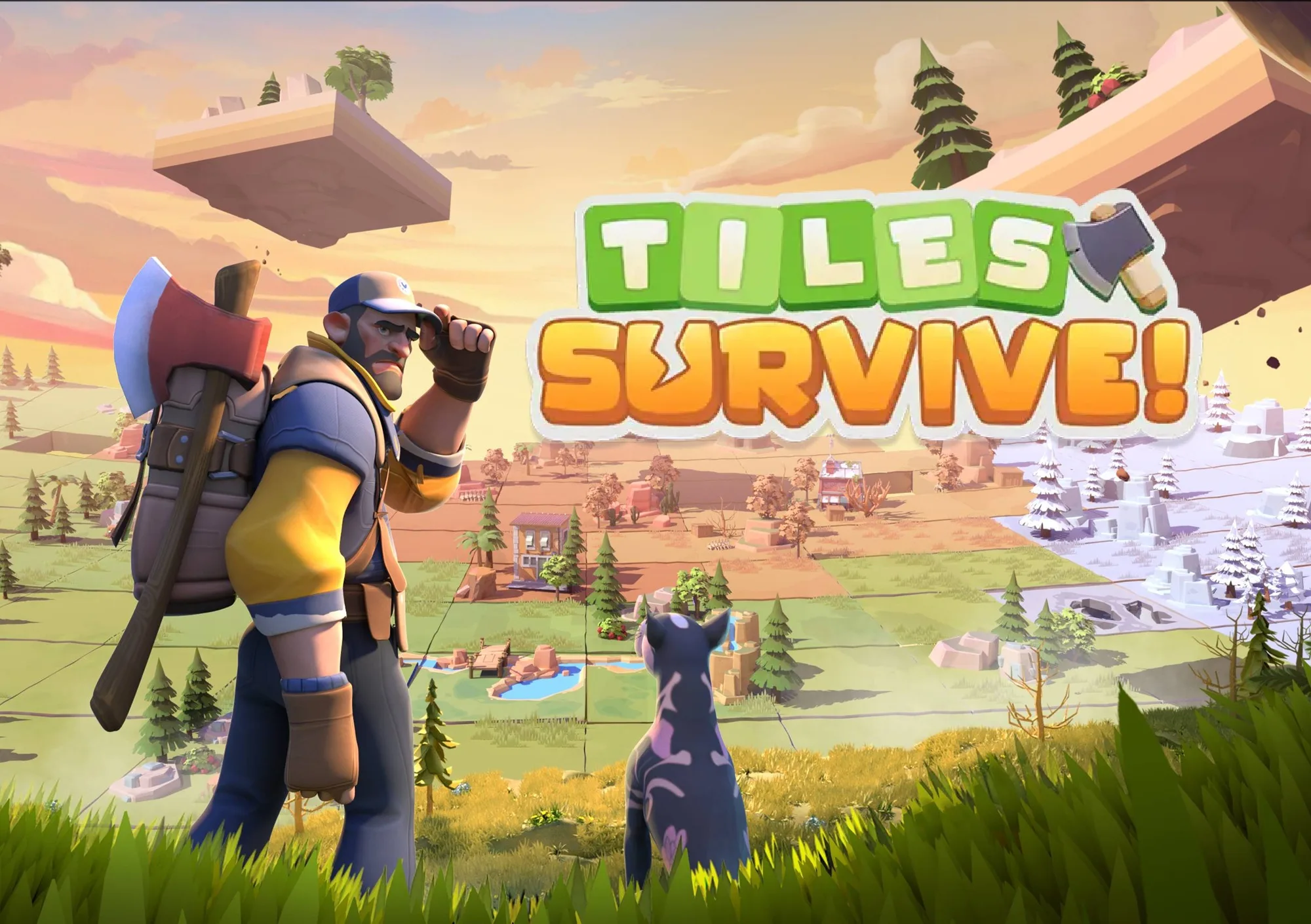
This breakdown looks past the marketing pitch and gets into how Tiles Survive actually feels to play across its first several hours
Most survival strategy games front-load their strongest ideas into the tutorial and then coast. Tiles Survive does something slightly differant, it keeps adding new systems gradually enough that the game rarely feels finished figuring itself out.
This breakdown covers the parts that hold up under sustained play, the parts that need patience, and the handful of moments where the pacing genuinely surprised us.
See the full breakdown
Read the analysisThe settlement loop, honestly assessed
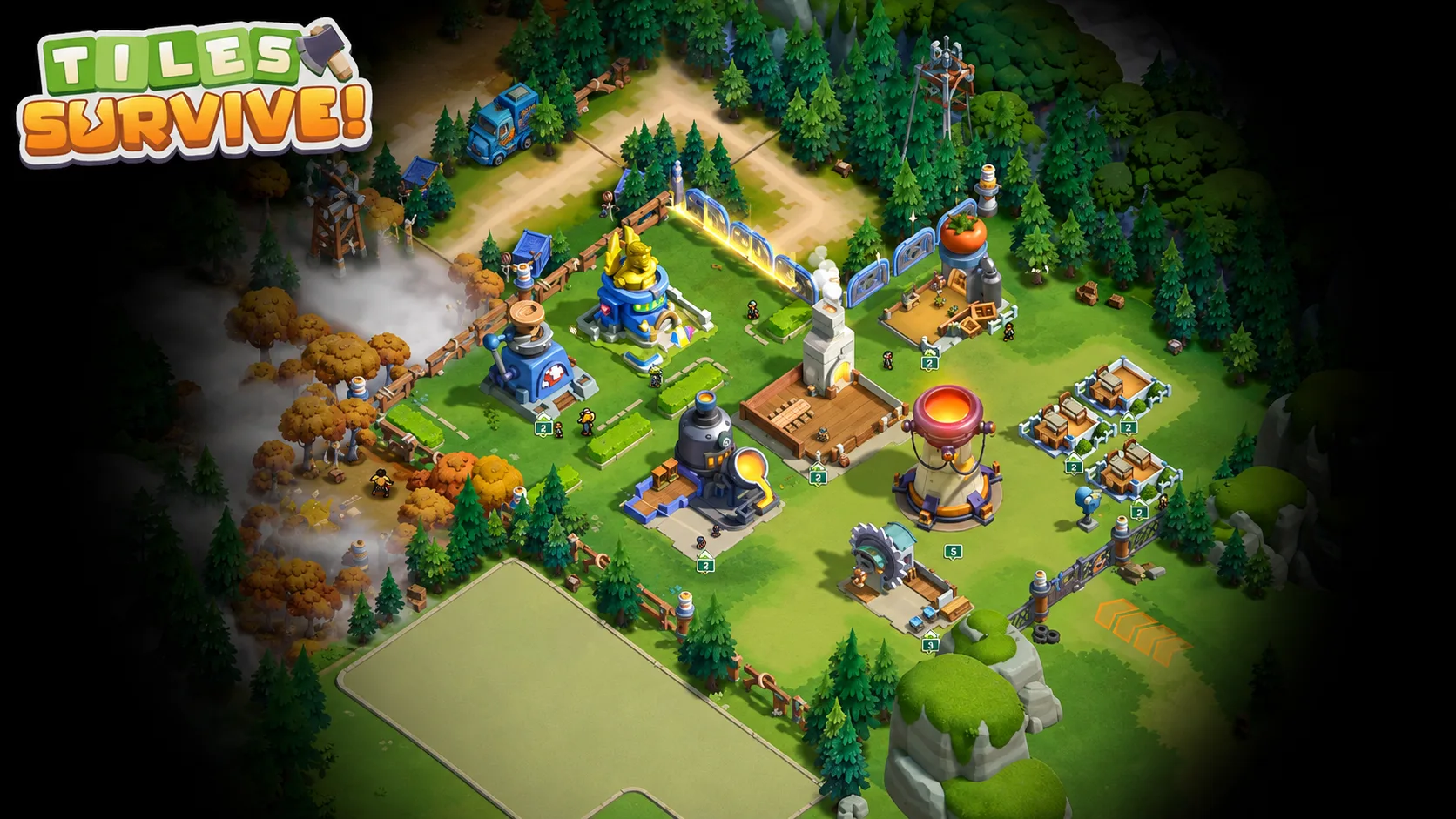
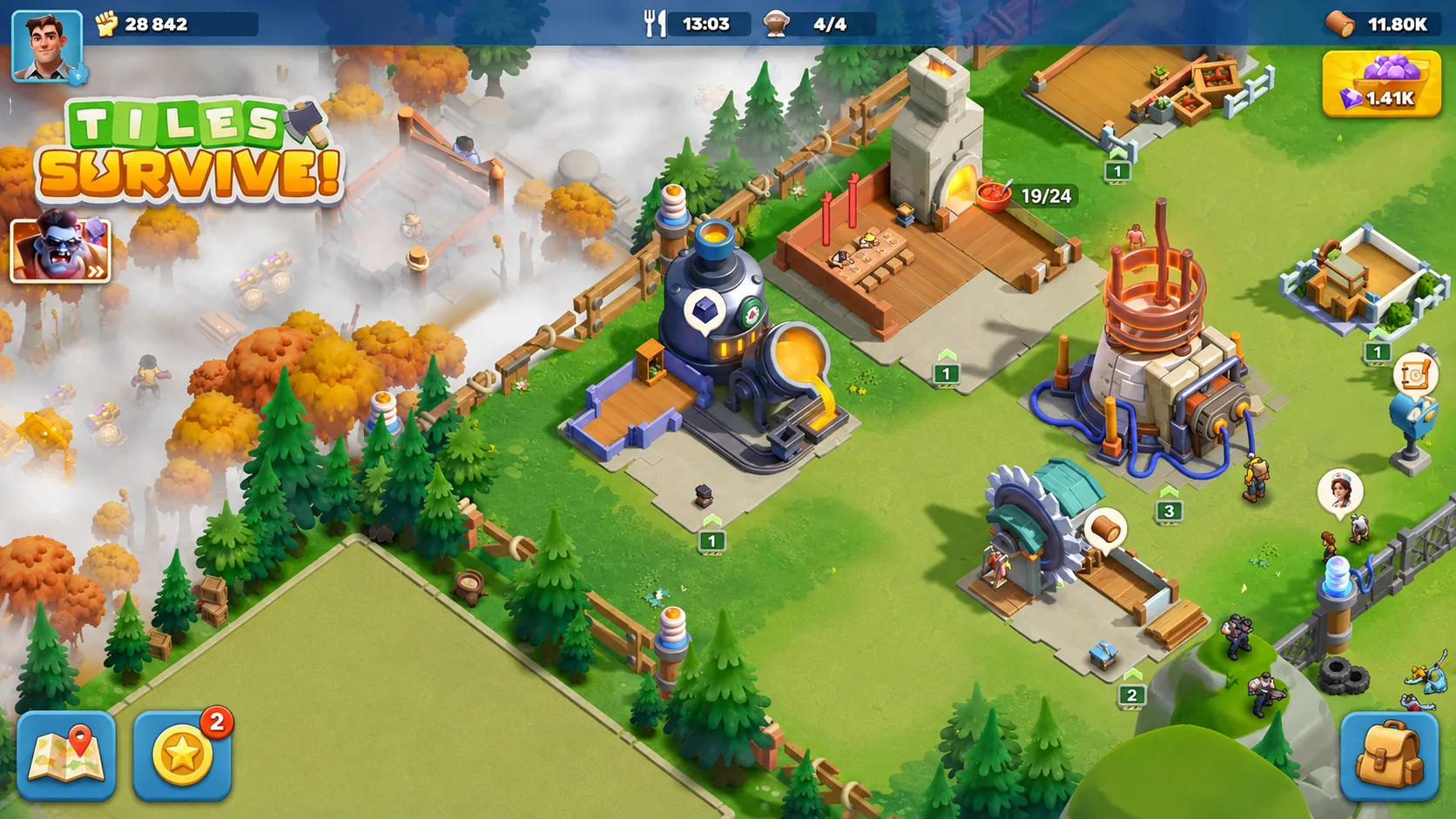
The settlement management layer is the spine of the game. You repair structures, restore power, and assign survivors to jobs that keep resources flowing. On paper this sounds like every other base builder on mobile. In practice, the tile-based expansion changes the rhythm noticeably, because you are never managing a fixed, fully-visible base. You are managing an edge that keeps moving outward.
Most competing titles settle into a routine fairly quickly, repair a building, wait for a timer, repeat. Tiles Survive avoids that trap by tying construction progress directly to what you find while exploring, so the settlement's growth curve genuinely reflects the choices made a few sessions earlier rather than a fixed unlock schedule.
About four hours in, I stopped treating each new tile as just another resource node and started treating it as a decision, do I push toward the biome with better lumber, or the one that unlocks a story hero faster
That pacing choice is probably the single biggest thing separating Tiles Survive from its closest competitors. Slower system reveals mean fewer moments of feeling overwhelmed, though it also means the early game can feel a touch sparse if you are used to denser strategy titles.
Combat and exploration, side by side
Exploration
- Rewards careful tile-by-tile planning
- Requires patience before payoffs appear
Combat
- Zombie encounters scale with the biome you enter
- Early fights lean more tactical than fast-paced
Hero recruitment
- Each character adds a distinct narrative thread
- Full rosters take real time investment to build
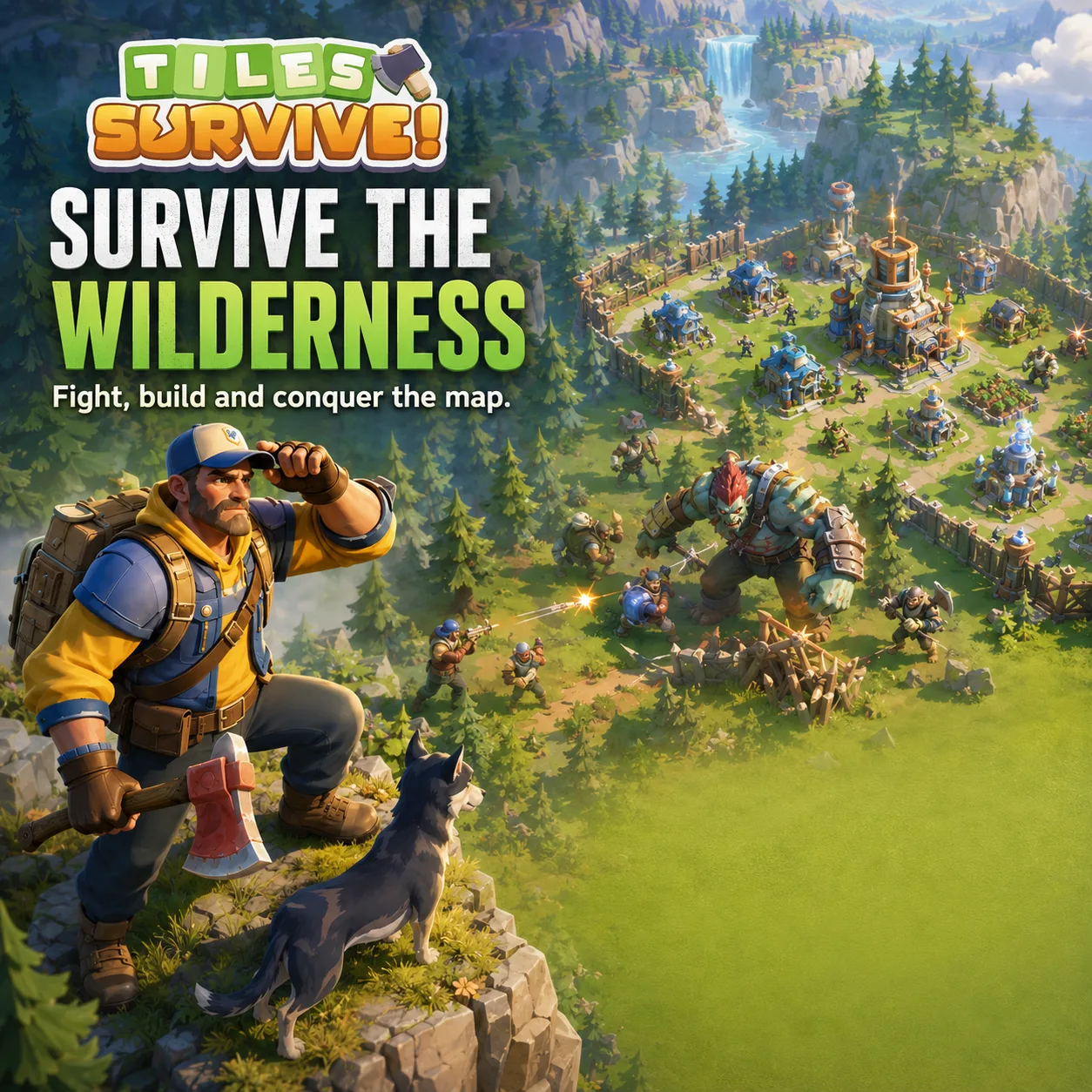
Combat itself is not the star of the show, and it does not try to be. Fights against zombie threats are framed as obstacles standing between you and the next tile, rather than as a standalone action layer. Players expecting fast, twitch-based combat should recalibrate expectations, this is closer to tactical resource protection than a shooter.
That framing extends to how threats scale. A biome's zombie presence generally reflects the value of what it holds, so tougher fights double as a signal that a tile is worth the extra preparation. Reading that signal correctly becomes its own skill over time, and it rewards players who scout carefully instead of charging ahead.
What the survivor system gets right
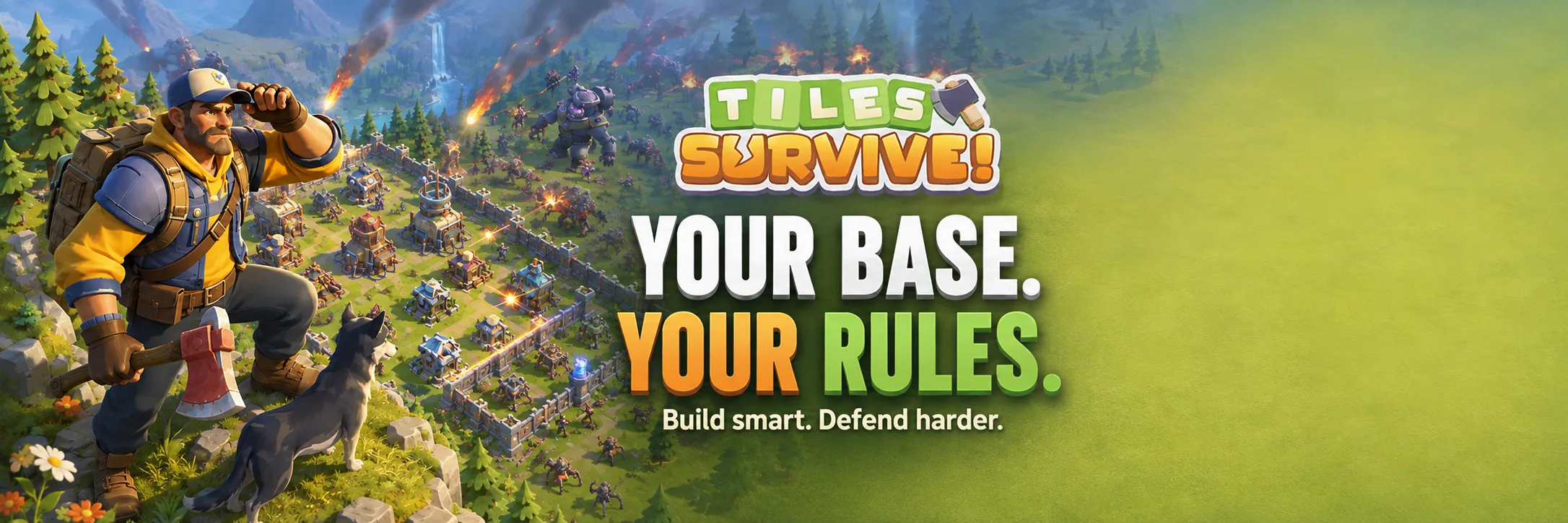
Survivor management deserves particular credit. Assigning hunters, chefs, and lumberjacks feels meaningful because morale and productivity are genuinely tied together, not just cosmetic flavor text sitting on top of a spreadsheet. Neglect a role for too long and the whole settlement's output noticeably dips.
Hunters
Keep the settlement fed and stocked
Chefs
Convert raw food into morale-boosting meals
Lumberjacks
Supply the construction queue
Heroes
Lead expeditions into new tiles
That interdependency is what keeps the loop from feeling like busywork. It is not a system you can fully automate and ignore, it genuinely rewards paying attention every session.
It also means early staffing mistakes compound. A settlement with too many lumberjacks and not enough hunters will stall on food long before construction becomes the bottleneck, and untangling that imbalance later takes noticeably longer than getting it right from the start.
Where the game asks for patience
Try the breakdown for yourself
See it liveThe one honest caveat here is pacing expectations. Tiles Survive is not designed for players chasing constant instant gratification. Growth is gradual, and the biggest structural unlocks are spaced out deliberately.
- Survivor roles create genuine interdependence, not busywork
- Tile-based expansion keeps exploration decisions meaningful
- Combat stays secondary to the strategic layer instead of overshadowing it
- Early hours can feel sparse compared to denser strategy titles
- Payoffs for exploration decisions arrive gradually rather than immediately
The settlement and survivor systems carry real weight here, and the deliberate pacing rewards players willing to stick with the slower opening stretch
This suits players who prefer a survival strategy game that unfolds gradually, with combat as a secondary layer rather than the main draw
If constant instant rewards burn you out on most mobile strategy games, the slower unlock pace here might actually be a relief instead of a drawback
Is combat the main focus of Tiles Survive?
Does the game punish inactive survivors?
How steep is the early learning curve?
Read the full gameplay breakdown
Get the details
Good writeup, matches my experiance so far with the pacing