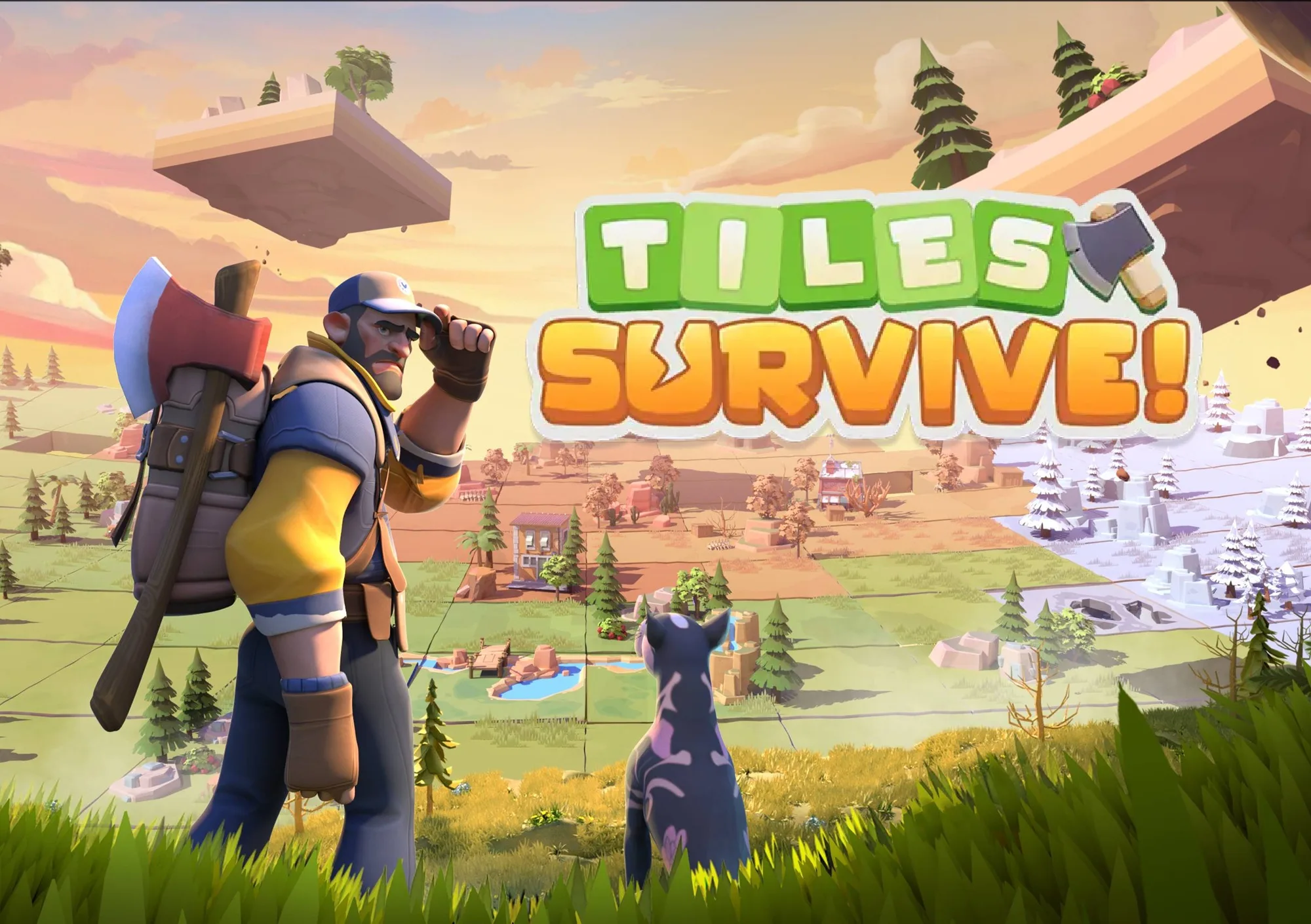
Tiles Survive runs through an official Windows client, and the hardware bar to get a smooth experience is lower than most PC strategy releases
The game began life on mobile, and that heritage shows up in a good way here, the settlement and exploration systems were built to run comfortably on modest hardware from the start.
That mobile-first design carries a real advantage on PC. Instead of scaling up a demanding 3D engine, the Windows client runs the same efficient systems that already worked smoothly on phones, just rendered at a larger resolution with mouse and keyboard controls layered on top.
Check if your setup is ready
See the requirementsMinimum and recommended specs
Because Tiles Survive is a settlement management and tile-exploration title rather than a graphically demanding action game, the hardware bar stays modest even at recommended settings.
| Component | Minimum | Recommended |
|---|---|---|
| OS | Windows 10 64-bit | Windows 10 or 11 64-bit |
| Processor | Dual-core CPU | Quad-core CPU |
| Memory | 4GB RAM | 8GB RAM |
| Storage | 5GB free space | 10GB free space |
These figures reflect what the settlement, exploration, and hero systems actually need to run smoothly, closer to a light strategy title than a heavy 3D release. Even the recommended tier stays well within reach of most machines bought in the last several years, which is unusual for a PC release in this genre.
Setting up the Windows client
-
Download the official installer Get the Windows client directly from the game's official website
-
Run the installer Follow the on-screen prompts, no emulator setup required
-
Sign in with your existing account Use the same login you used on mobile if you already have progress
-
Confirm your settlement syncs Your tiles, survivors, and heroes should appear exactly as they were
-
Adjust display settings Set resolution and windowed mode to match your monitor
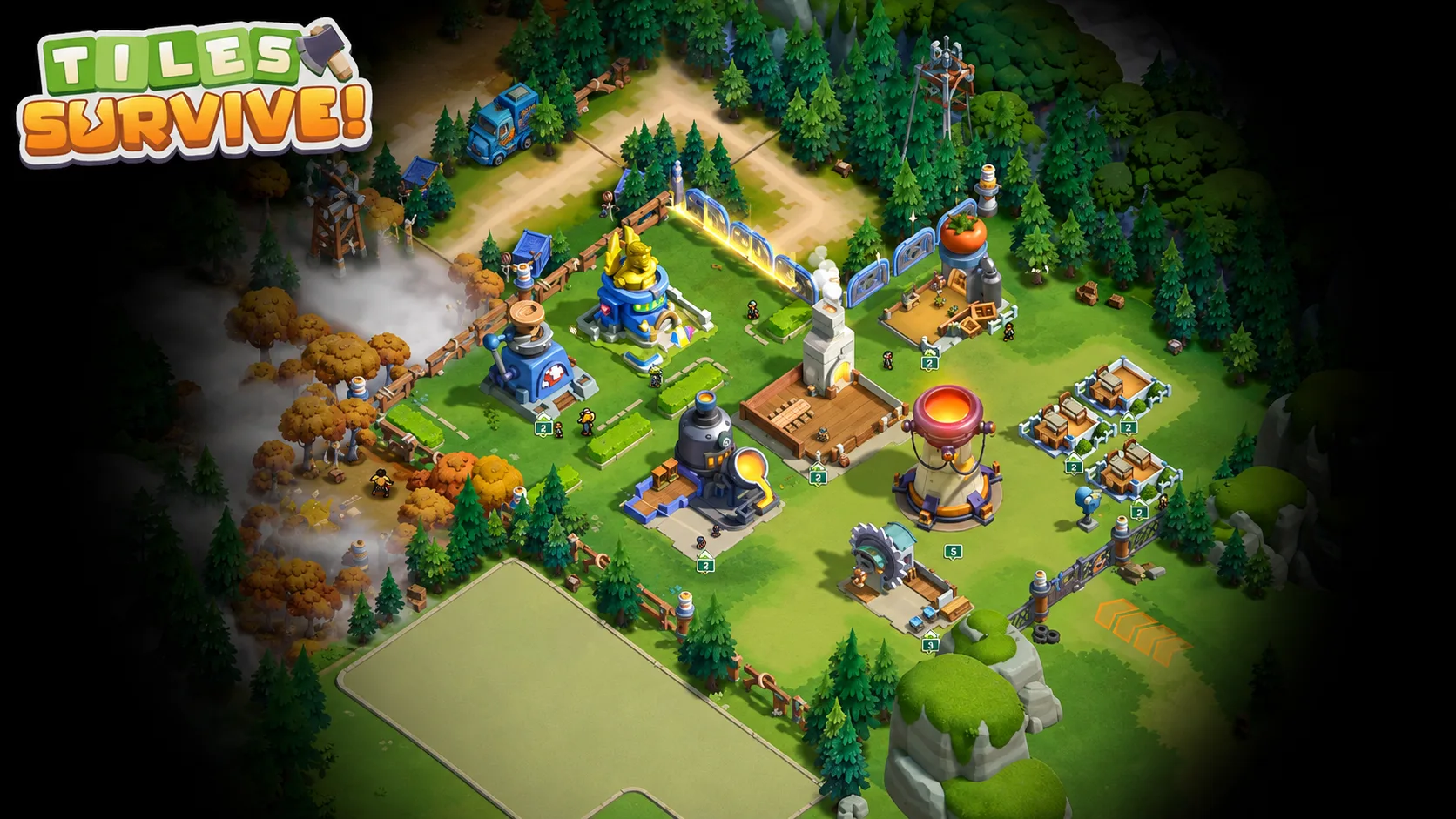
See the full setup steps
Check compatibilityComparing minimum and recommended setups
Minimum setup
Runs the core loop with basic settings
Recommended setup
Smoother transitions between tiles and menus
Storage headroom
Extra space accommodates future content updates
Stable internet
Needed for account sync and alliance features
Storage headroom is worth planning for even beyond the base install size. Ongoing content updates, new biomes, and additional hero content tend to add incrementally to the install footprint over time.
A stable internet connection matters more than most players expect going in. Because progress syncs between mobile and PC, and alliance features depend on a live connection, an unstable network can interrupt setup even on hardware that easily clears the recommended specs.
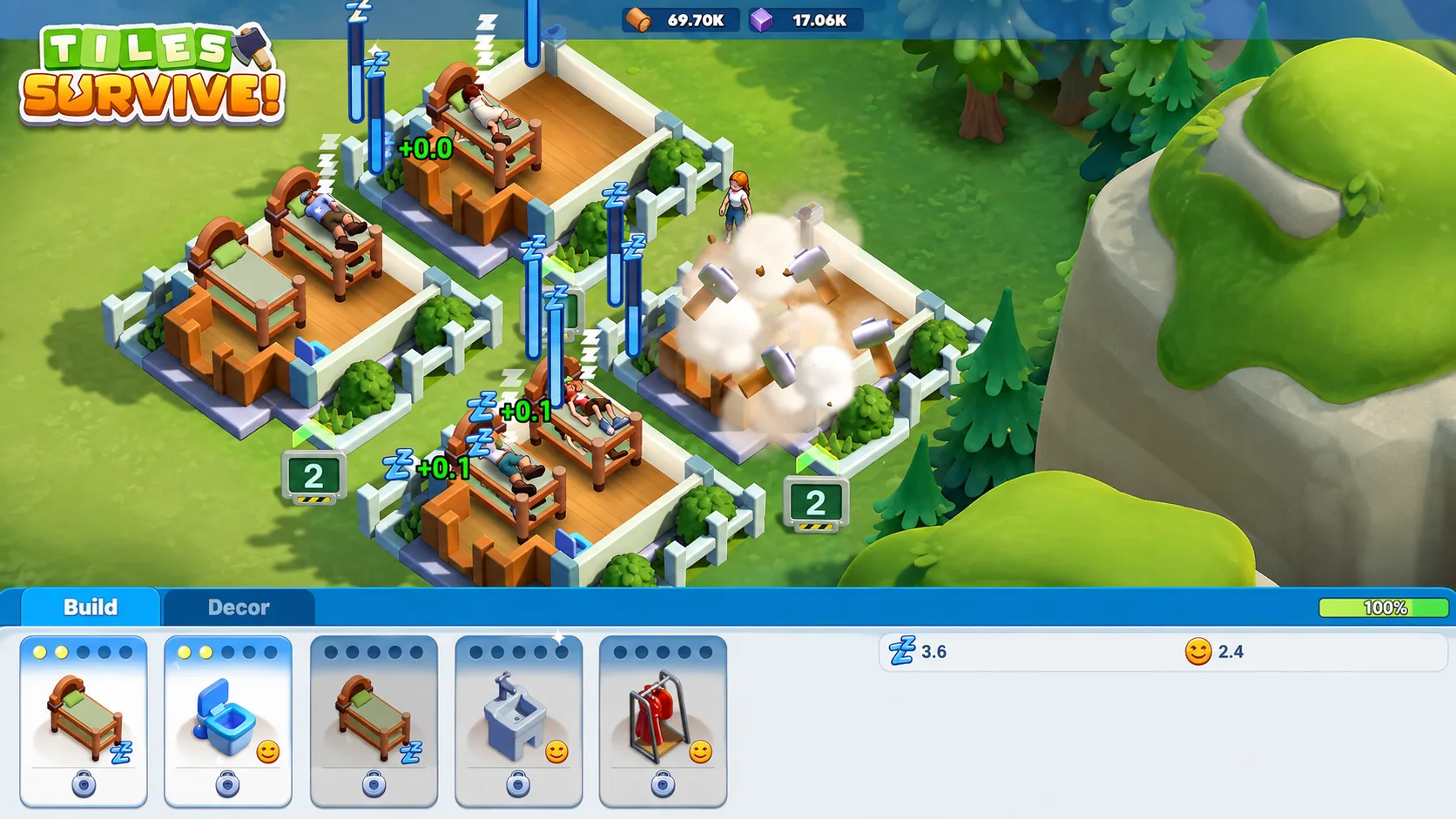
If performance feels off
A handful of quick checks resolve most performance concerns before they become a real issue. Confirming your graphics drivers are current and closing background applications during your first session covers the majority of reported slowdowns.
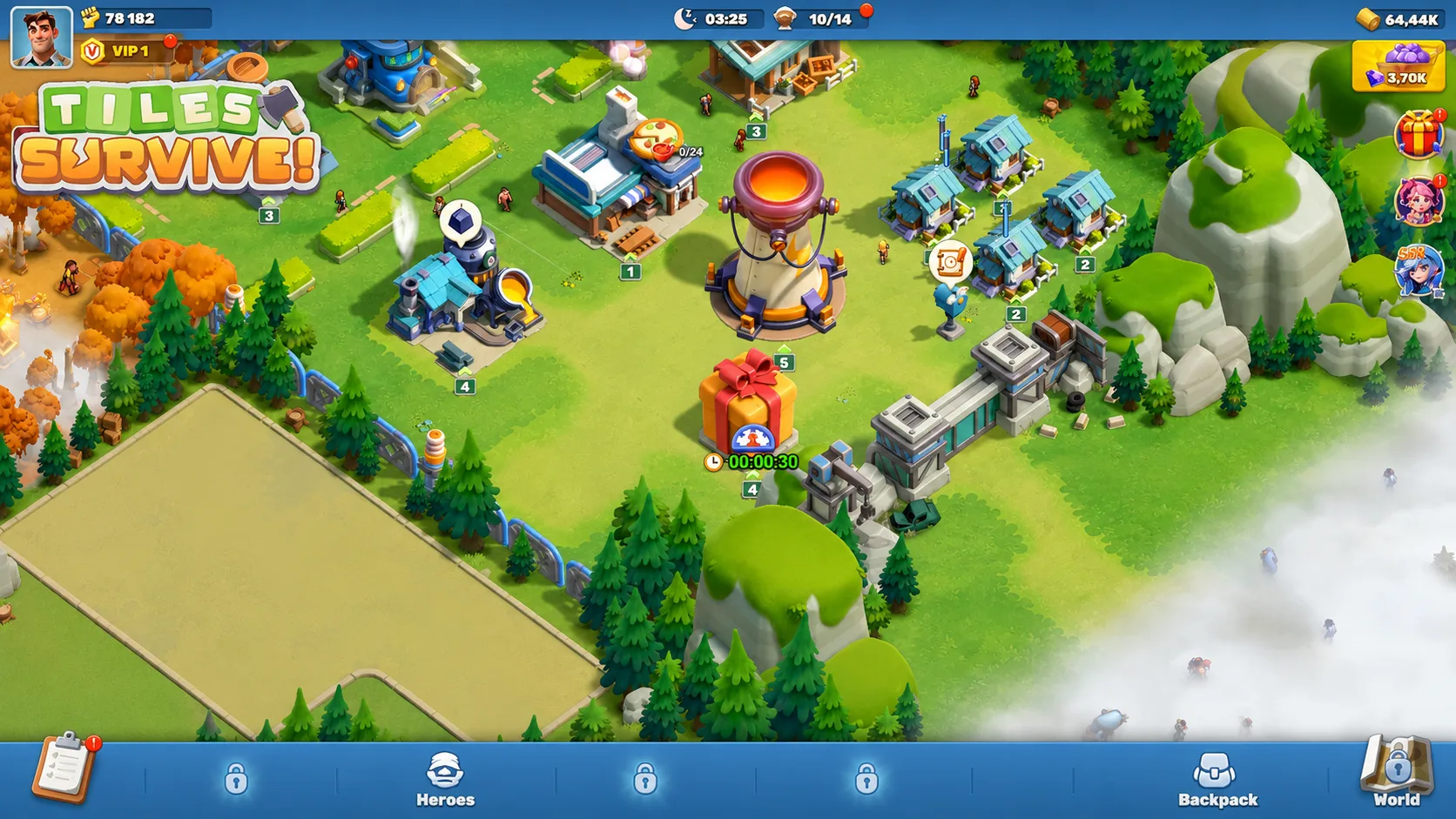
- Modest hardware requirements compared to most PC strategy releases
- No emulator layer required thanks to the official native client
- Cross-device sync depends on a stable connection during setup
The hardware bar here is low enough that most Windows machines from the last several years should run Tiles Survive comfortably at recommended settings
This fits players who want to move their existing mobile progress to a larger screen without investing in new hardware first
If you have been hesitant to try a PC strategy game because you assume it needs a powerful rig, Tiles Survive is a good counterexample
Do I need a powerful graphics card?
Will my mobile progress carry over to PC?
Is an emulator required?
Get the official Windows client
Set up now

Ran fine on my older laptop, genuinly surprised how smooth it was