Once your settlement stabilizes, Tiles Survive opens up into a wider set of systems built around deeper exploration and cooperation
The first few tiles teach the basics. What comes after is where the game's structure really starts to widen, and it changes how each session actually plays out.
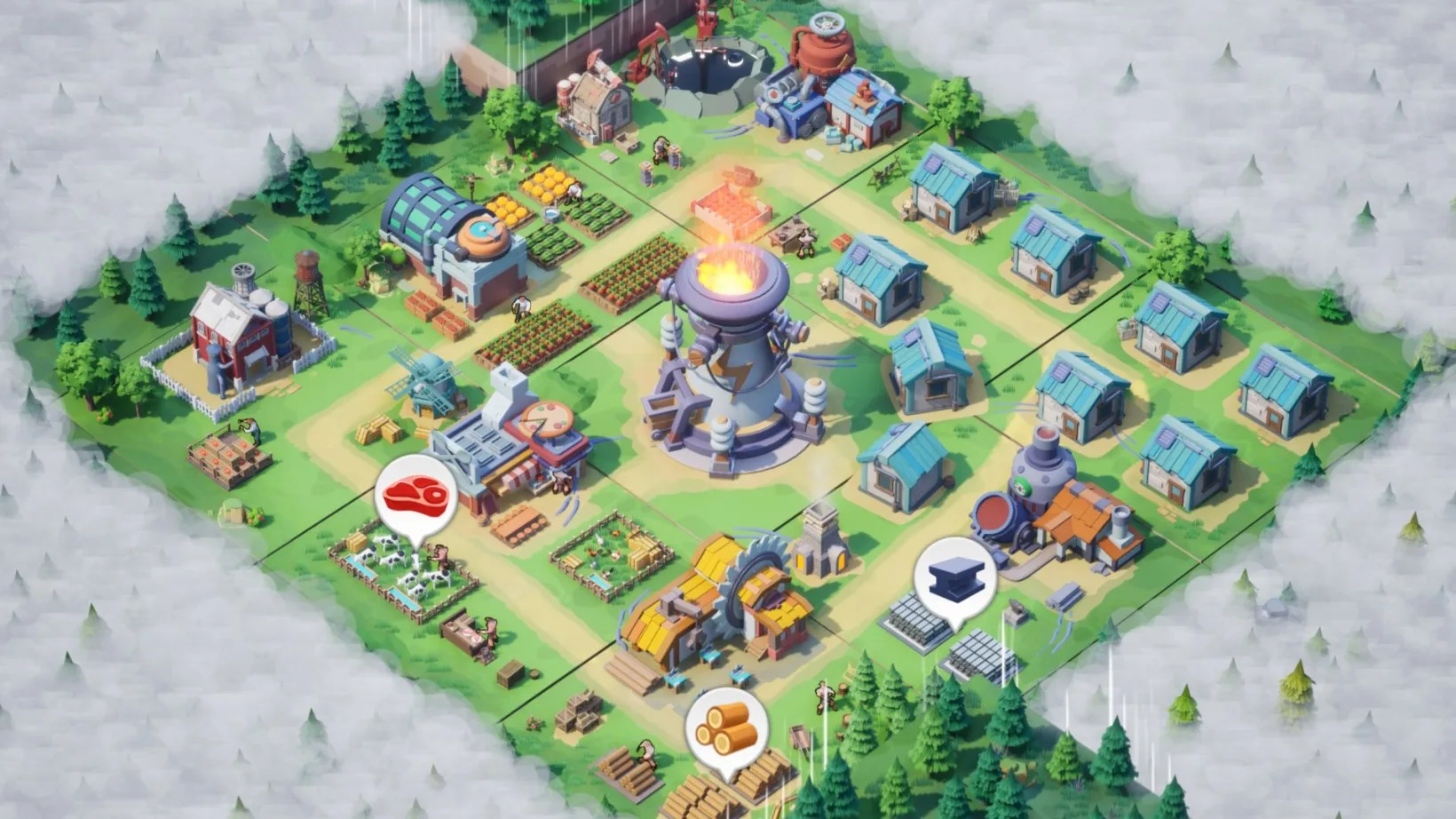
Where the early game is mostly about establishing a rhythm, the systems that follow ask you to start making trade-offs, which biome to prioritize, which hero to develop, and when cooperation with other players actually pays off.
See what comes next
Explore deeper systems

Pushing into harder biomes
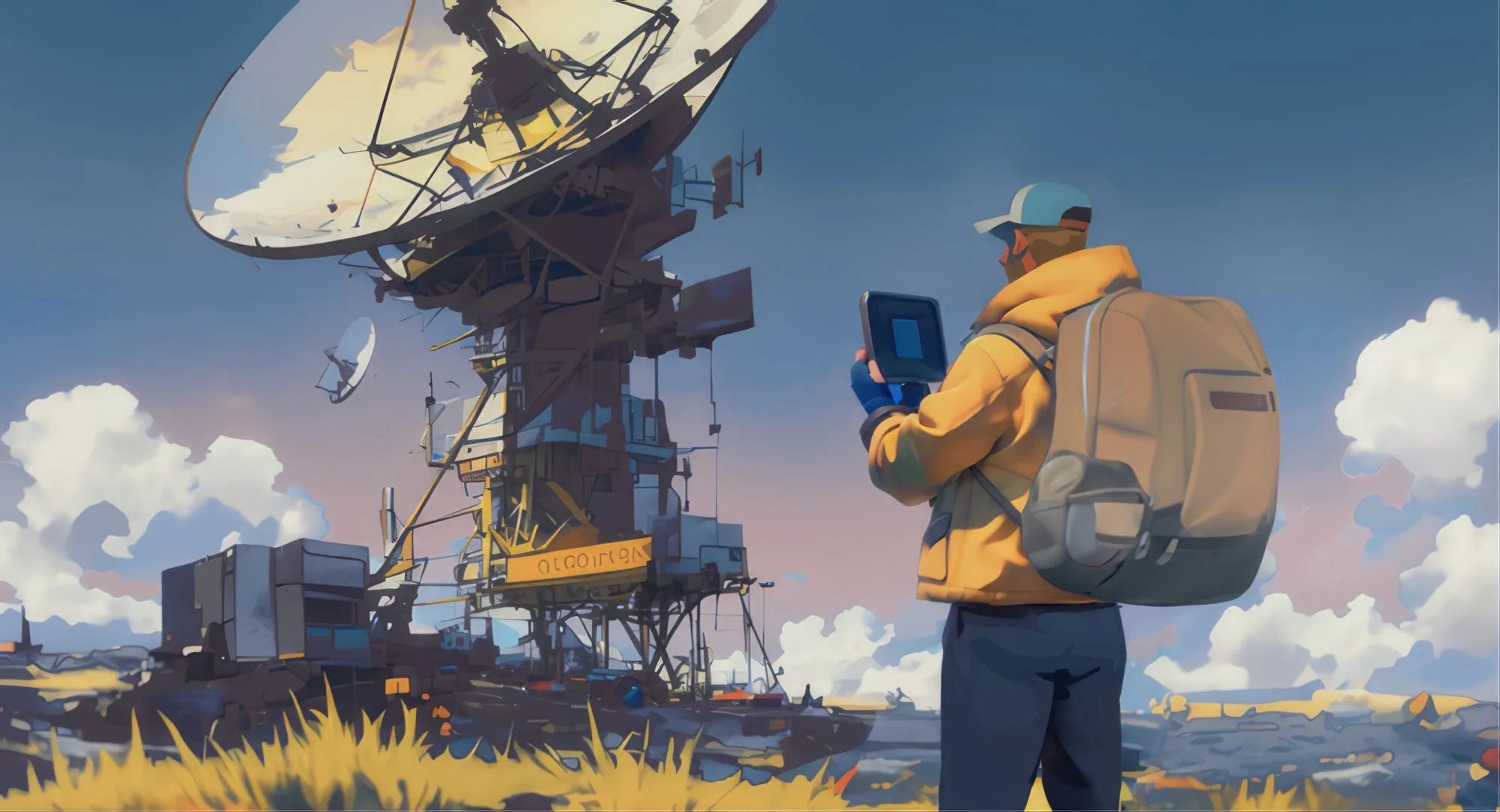
Once your core settlement is stable, the natural next step is expanding into biomes with tougher zombie threats and rarer resources. These deeper tiles ask more of your heroes and your survivor roster than the early game did.
The jump in difficulty is gradual rather than sudden, which gives room to prepare instead of being caught out. Watching a biome's threat indicator before committing a team is usually enough to avoid a costly setback.
-
Build a second hero team A second team lets you explore in two directions at once
-
Upgrade survivor equipment Better gear improves survival odds in tougher biomes
-
Scout before committing Check a tile's threat rating before sending a full team
-
Rotate heroes between expeditions Avoid overusing a single hero on back-to-back runs
-
Track resource yields Compare what each biome type produces before prioritizing it
That rotation habit matters more than it initially seams. A settlement that leans too hard on a single hero ends up with a fragile roster once that hero is unavailable or under-leveled for a tougher biome.
Spreading development across at least two or three heroes early keeps future options open. It costs a bit of short-term efficiency, but it pays off the first time a tough biome calls for a hero that has actually been kept up to date.
Alliance systems and shared goals
Alliance events
Cooperative pushes against larger shared threats
Resource sharing
Support allies during resource shortages
Shared defense
Coordinate against tougher zombie incursions
Community goals
Work toward milestones that benefit every member
Joining an alliance changes the rhythm of the mid-game noticeably. Instead of facing every tougher biome and every larger threat alone, coordinated pushes with other players make previously difficult content far more manageable.
It also introduces a social dimension that the early solo hours do not really hint at. Trading resources during a shortage, or pooling heroes for a shared defensive push, turns individual sessions into something closer to a small ongoing collaboration.
Managing a growing roster
Single hero focus
- Faster individual leveling
- Leaves the rest of the roster underdeveloped
Rotated hero use
- Balanced roster growth
- Slower individual progress per hero
Alliance-supported play
- Access to shared resources and events
- Requires coordination with other players
Neither approach is strictly wrong, and most experienced players end up blending them, rotating heroes for balance while still leaning on alliance support for the toughest content. Which balance feels right often depends on how much time you can dedicate to a given session, shorter sessions favor rotation, longer ones leave room for deeper single-hero investment.
Keeping the settlement growing
- Check survivor morale before pushing into a new biome
- Upgrade equipment before attempting a higher threat tile
- Rotate at least two heroes across your active expeditions
- Join alliance events once your settlement feels stable
- Reassess job assignments as your survivor roster grows
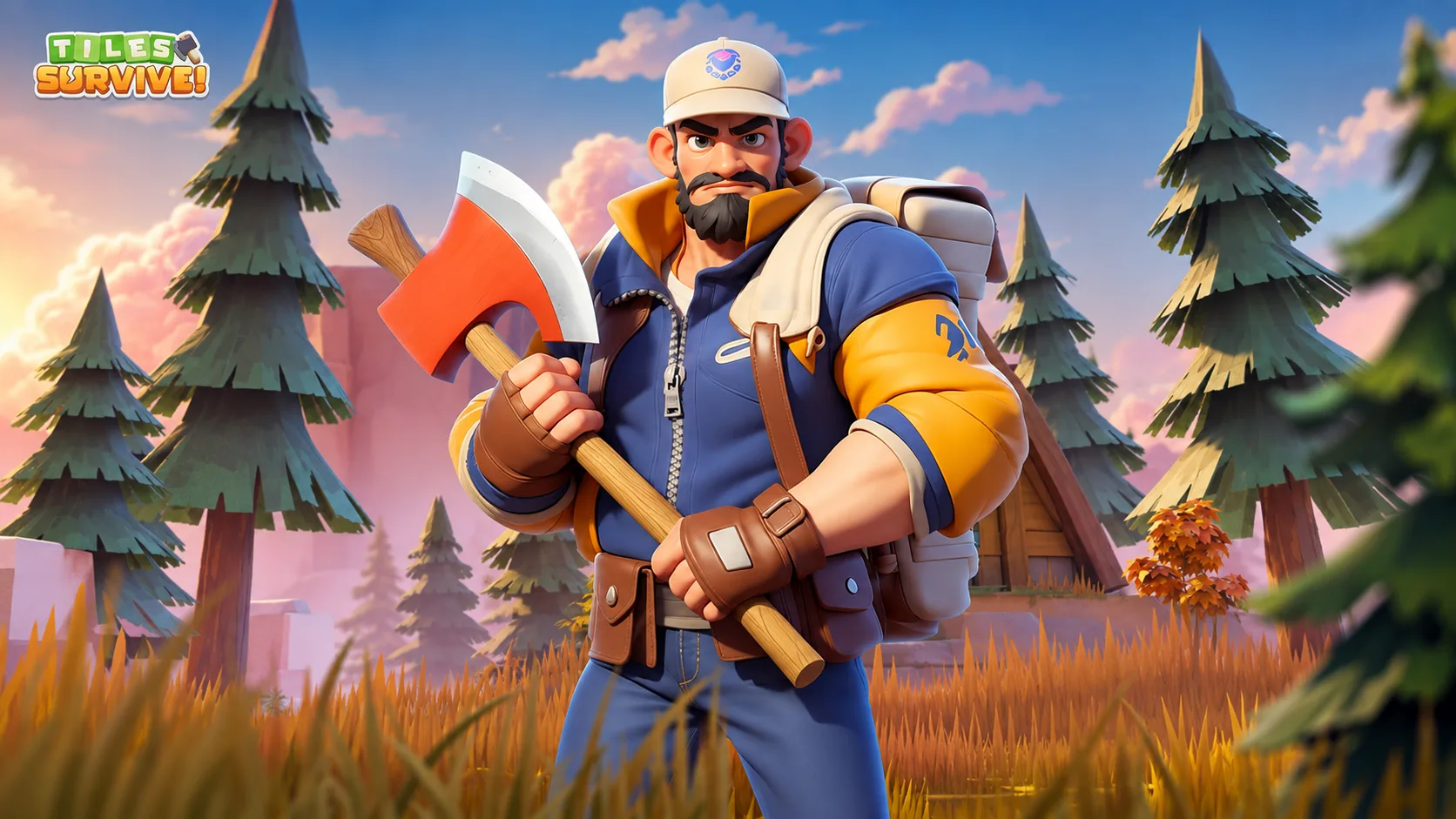
See the deeper systems in motion
Keep exploringWhat experienced players focus on
- Alliance systems add meaningful cooperative depth without forcing it early
- Hero rotation keeps the mid-game roster balanced and flexible
- Deeper biomes demand more planning and preparation than early tiles
The systems that open up past the early game give Tiles Survive genuine staying power, particularly for players willing to engage with the alliance layer
This suits players who have stabilized their early settlement and want a clear framework for tackling harder biomes and alliance content
If your early sessions felt satisfying but you are unsure what comes next, these systems are where the game's depth really opens up
When should I join an alliance?
Should I focus on one hero or rotate several?
Are alliance events required?
Push into the deeper wasteland
Continue your journey
The hero rotation tip is underrated, wish I knew this earlier, genuinly helpful